Persona, Role, Performance: Three Different Things to Watch
Separate a performer’s public persona, fictional role and on-screen choices to watch closely without treating publicity as proof of private character.
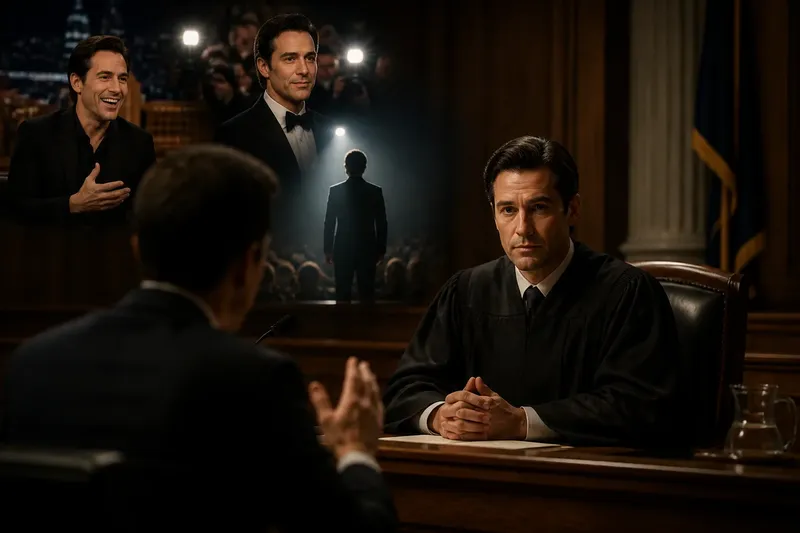
An actor known for playful interviews enters a courtroom scene and waits silently while another character speaks. To separate persona, role and performance, focus on what each part contributes: the public image shapes expectations, the story sets the character’s situation, and the scene reveals the performer’s choices.
Public image sources
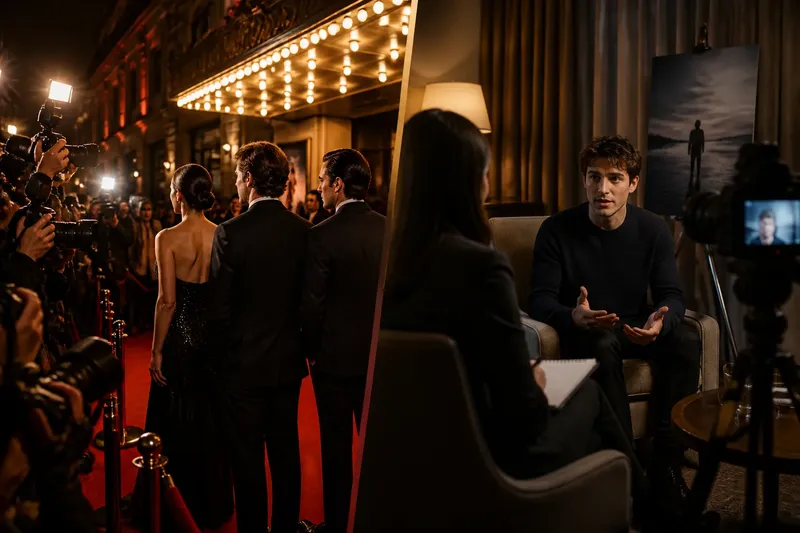
A public persona is the familiar image attached to a performer outside a particular role. Interviews, red-carpet appearances, social posts and publicity materials all contribute to it. That image is selective; it is not a complete account of someone’s private life.
Pay attention to the source of an impression. A press profile may emphasize a performer’s craft, while a talk-show segment may favor quick jokes. Naming the setting keeps a public moment from becoming a sweeping claim about the person.
- If an interview contains a recurring joke, record the joke and the setting; if you lack a specific example, describe the persona more cautiously.
- If a publicity caption describes a performer as fearless, treat that as campaign language; if the performer makes a direct statement, distinguish the statement from the caption.
- If public appearances show a change in tone, note the different settings; if the settings are alike, avoid assuming that one moment explains the change.
- If a post shares a personal opinion, attribute the opinion to that post; if the wording is unclear, do not infer a broader belief.
- If a profile focuses on one trait, check what the piece actually describes; if it offers little support, keep the trait as a limited impression.
- If a promotional interview connects a role to the performer’s biography, keep that connection within the interview’s framing; if the story itself differs, describe the character on the story’s terms.
Fictional role limits
A role is a fictional person in a particular story. The character’s circumstances, relationships, goals and obstacles come from the material. A shared accent, hobby or manner does not turn the character into a direct portrait of the performer.
Before interpreting a character’s behavior, identify what is happening in the scene. What does the character know? What do they want from the other person? What might they lose? These questions keep the reading tied to the story rather than to outside assumptions.
Say an actor known for brisk, playful interviews plays a judge who listens without interrupting. The scene gives the character authority, and the performer holds back visible reaction. Those choices may make the exchange feel controlled; they do not establish that the actor has a stern private personality.
Performance choices
Performance is what the audience can hear and see in a scene: timing, gesture, voice, posture, gaze and reaction. The script, direction, editing and other performers shape the moment too, so describe the actor’s visible choices without assigning every effect to one person.
Choose a brief exchange and note what changes. Does the performer answer immediately or leave a pause? Do they turn toward the other character or look away? Does their voice soften when the subject shifts? These observations give you something specific to discuss.
A quiet voice might suggest caution, intimacy or fatigue. Dialogue, the other performer’s response and the edit help determine which reading fits best. Start with the choice, then offer an interpretation as one possible meaning.
- If the reply comes after a pause, note when the pause occurs; if the other character speaks during it, include that interruption in your reading.
- If the performer’s gaze shifts, describe where it goes; if the camera does not show the target, avoid claiming what the character sees.
- If posture tightens as the subject changes, note both moments; if posture stays steady, look to dialogue or timing for another source of tension.
Applying the three lenses
Imagine you are watching a fictional courtroom drama. Before the scene, a fictional publicity clip presents the actor as a quick-witted guest. In the scene, the character questions a witness, and the performer waits through a long pause before speaking. First, record the clip’s joke as part of the public image. Next, note that the character is questioning a witness. Then describe the pause and the measured reply as performance choices. The scene may feel controlled, but the clip and scene do not establish what the actor is like in private.
This method also helps when reviewing a role that resembles a familiar public image. You can say the casting invites recognition while still explaining how the character behaves in the story and what the performer does in a particular moment.
How do the layers connect?
Can a role resemble a performer’s public image?
Yes. A production may cast a performer in a role that echoes a familiar public image. Treat the resemblance as a storytelling or publicity choice, not proof that the performer and character are the same.
Does a performance reveal private beliefs?
A scene shows choices made within a production. Those choices can support discussion of acting craft, but they do not establish a performer’s private beliefs or everyday behavior.
How can I describe a scene precisely?
Begin with a detail someone else could locate, such as a pause, a change in volume or a turned shoulder. Then explain what it might mean in context and leave room for another reading.
What should I do with publicity claims?
Attribute a claim to its source, such as an interview, campaign caption or press profile. Keep that framing separate from the fictional story and from what you observe in the scene.
Notes for close viewing
For a scene that feels tangled with publicity, make three headings: public image, fictional role and scene choice. Put “known for dry interview humor” under public image, “avoids answering the judge’s question” under fictional role, and “waits before giving a short reply” under scene choice. If a note does not fit any heading, check whether it is an assumption that needs clearer support.
Keeping persona, role and performance distinct makes discussion more precise. You can recognize the public image, explain the character’s situation and point to the choices that shape the scene without treating one as evidence of the others.